

Lakeland, Polk Sheriff Race to Pull License Plate Cameras Off State Roads by Sept. 30
A Florida Department of Transportation order forces the removal of Flock license plate readers from state highways through Lakeland, including stretches of Florida Avenue and Memorial Boulevard, within 30 days.
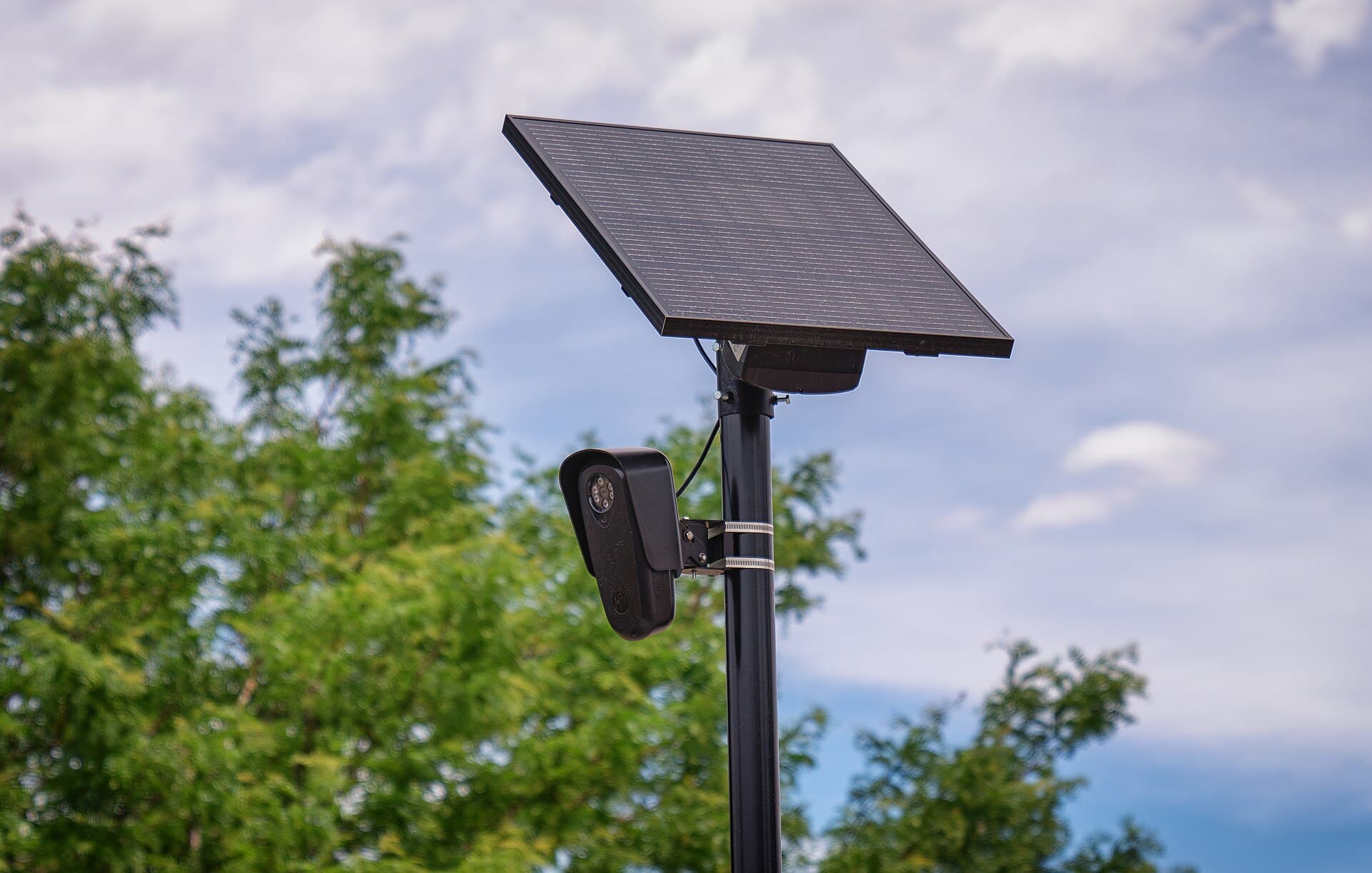
Lakeland Police and the Polk County Sheriff's Office have until Sept. 30 to pull their automatic license plate reader cameras off state-controlled roads running through the city, after the Florida Department of Transportation ordered every ALPR device removed from state highway rights-of-way statewide.
The order, issued in a memo Aug. 31, revokes all existing permits for the cameras and bars agencies from requesting new ones on state roads. Any camera left in place after the 30-day window will be torn down by FDOT itself.
That deadline reaches directly into Lakeland traffic. State roads through the city include parts of Florida Avenue, Bartow Road, Memorial Boulevard, Main Street, Lakeland Hills Boulevard, South Florida Avenue, Kathleen Road, Harden Boulevard, Pear Street, Parker Street, New York Avenue and the In-Town Bypass. Both LPD and PCSO have run Flock cameras along those corridors for years.
Two agencies, two different clocks
As of Sept. 1, Lakeland Police had not started removing any cameras, according to department spokesperson Robin Tillett. The department has not said how many of its cameras sit on affected state roads or when work will begin. LPD currently runs 27 Flock cameras citywide, though it has not disclosed where all of them are located.
The Sheriff's Office moved faster. Sheriff Grady Judd said PCSO began pulling cameras the day after the memo went out and expects to finish inside the 30-day window. He did not say how many of the county's cameras are affected. Judd made clear the change is limited to state roads: PCSO plans to keep running license plate readers everywhere else in the county.
What's changing and what isn't: Cameras come down only from state highway rights-of-way. Local roads, city streets and county roads are not covered by the FDOT order, and both agencies can keep cameras there.
Judd defends the technology
In a video released to address the order, Judd called Flock cameras "the single best tool to keep people safe," pointing to their use in finding runaways and other missing people. He argued the cameras are less invasive than police body cameras, which capture faces, home interiors and what he called "the worst moments in your life." Flock, he said, only reads plates.
Judd said the fix isn't ripping out the cameras but writing state rules that govern how all law enforcement technology is used, including auditing and accountability requirements. He said Flock does not sell the data it collects.
Why the state acted now
FDOT's memo cited "concerning reports of misuse, data privacy concerns, and surveillance schemes" alongside what it called an exponential rise in camera deployment along state roads. The order followed a string of Flock misuse cases in Florida. In early August, a Haines City police officer was arrested for using the Flock system to track his estranged wife. Later that month, a Sarasota officer was fired and arrested after running the same license plate through the system 350 times without an active investigation tied to it.
Gov. Ron DeSantis had already been raising alarms publicly. At an Aug. 26 press conference he said he did not want Florida "to become a surveillance state," and on Sept. 1 he questioned whether the companies supplying the cameras were selling the data they collect.
Polk's camera count
Crowd-sourced tracker DeFlock lists 306 ALPR cameras across Polk County, more than four for every 10,000 residents. That is nearly double the rate reported in Hillsborough County, at 2.29 per 10,000. Hardee County, with under 26,000 people, reported more than seven cameras per 10,000 residents, the highest rate in the comparison.
Neither LPD nor PCSO has said how many of their total cameras sit on the state-controlled roads named in the order, or what it will cost to relocate them. LPD has not said whether it will simply move cameras to nearby city streets once they come off state right-of-way, an option Judd's department is already using in the county. The Sept. 30 deadline is the next hard date on the calendar; whether Lakeland's cameras beat it is still an open question.
Stay connected with the latest at Lakeland Community Website, and join the conversation in our Community Forum. For related coverage, visit our public safety and crime and safety sections.
Header photo: Tony Webster / Wikimedia Commons (CC BY 2.0)

Continue this story for free.
Stay informed about Lakeland. Enter your email to access the full story and receive local news and community updates.
Free to read · No password to remember
New here? We’ll email you a sign-in link and code. Already a reader? Use your usual email.
Read next
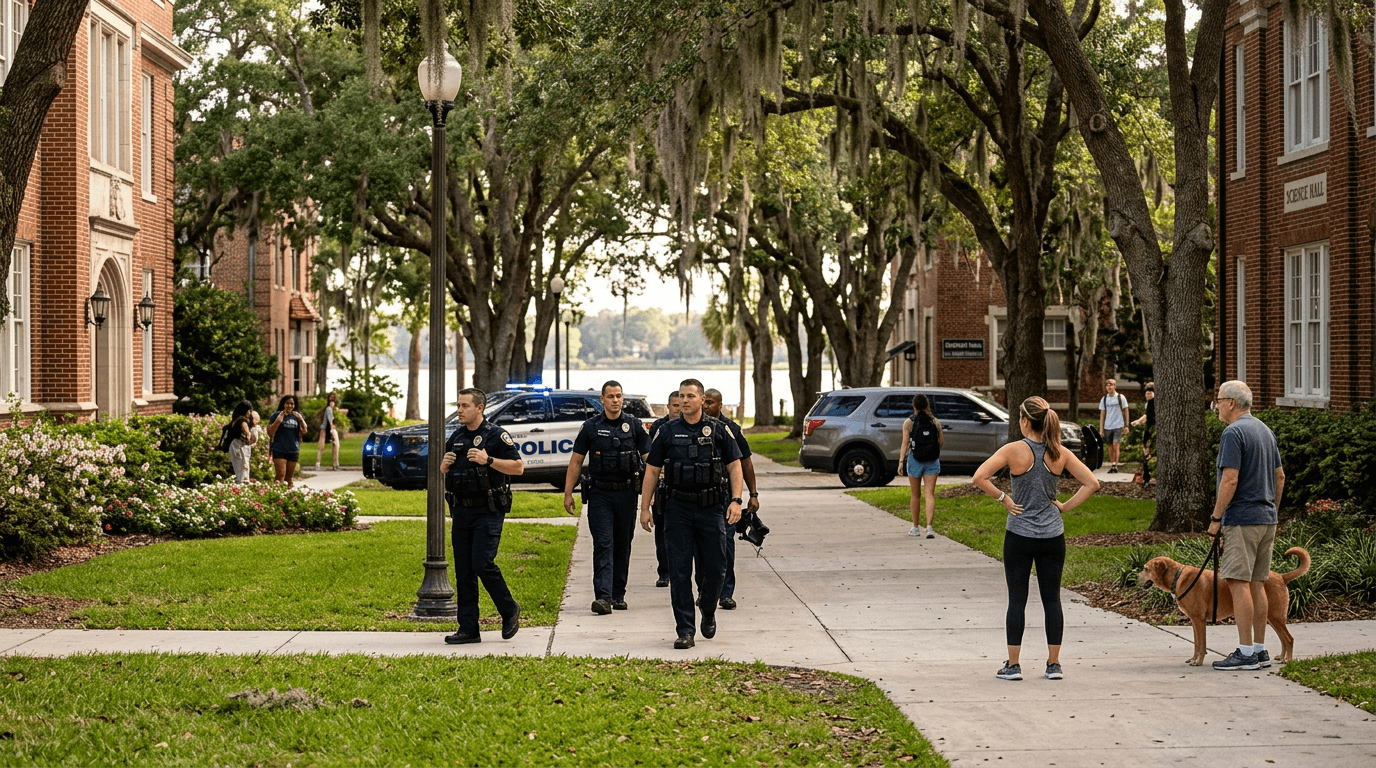
Simulated Gunfire and Tactical Officers Near Florida Southern Through July 17 — And Why It's Planned Training, Not a Threat
Lakeland police are running active shooter response training on the Florida Southern College campus through July 17. Neighbors will see officers in tactical gear and hear simulated gunfire on weekday afternoons and evenings — but officials stress there is no danger to the public.
Read the story ↗

Comments
What does this mean for your neighborhood? Share your experience or ask a question.
Your draft stays here while you sign in. Be respectful and keep it local.
No comments yet. Be the first to share your thoughts!