Lakeland Housing Authority Moves All 257 Public Housing Apartments Toward Section 8
LHA says tenants would keep paying no more than 30% of income and would not have to reapply, but the switch would merge waiting lists and tighten income limits for future applicants. HUD has the final say.
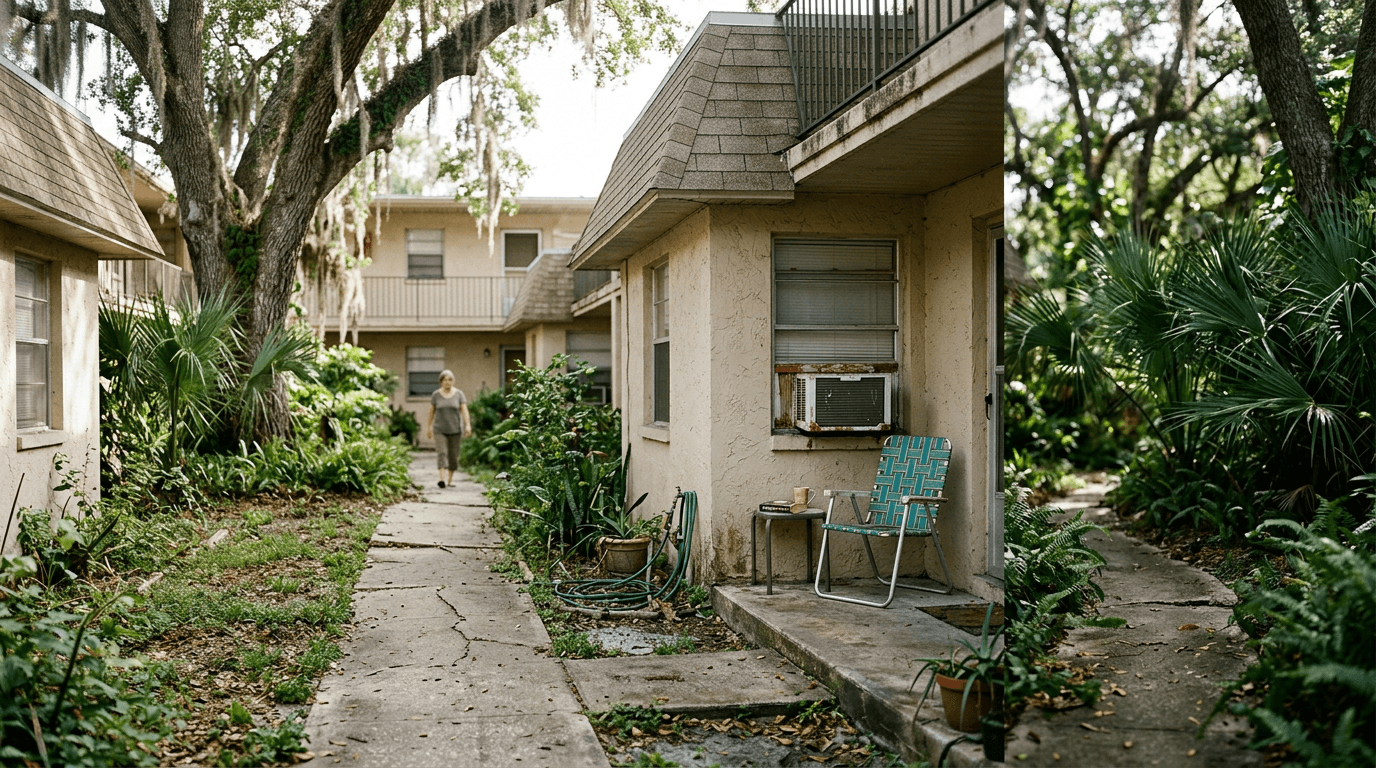
The Lakeland Housing Authority is asking the federal government to convert all 257 of its public housing apartments to project-based Section 8, a change that would attach a federal rent subsidy to each apartment instead of handing tenants a portable voucher. City commissioners voted unanimously on July 20 to send a letter backing the plan. HUD, not the city, decides whether it happens, and hundreds of Lakeland households living in those units, plus thousands more waiting for affordable housing here, are affected by the answer.
LHA President Ben Stevenson laid out the case at that commission meeting. His pitch, in short: the same apartments bring in a lot more federal money without costing tenants a dollar more.
What changes for people already living there
Very little right away, according to Stevenson. Residents' rights are protected under HUD rules, they would not have to reapply just because their building converts, and their share of the rent stays capped at 30% of adjusted income.
The money behind that cap is what shifts. Stevenson used a hypothetical $1,000-a-month apartment to show it:
| Public housing | Project-based Section 8 | |
|---|---|---|
| Tenant pays | $100 | $100 |
| Federal subsidy | about $100 | up to $900 |
That gap is the whole argument. Stevenson said the extra revenue would pay for repairs and let LHA borrow against it, chase tax credits and go after grants.
Future applicants could face a tighter door
Public housing generally serves households earning up to 80% of area median income. Section 8 usually cuts off at 50%. Current residents would not have to requalify. Someone applying after a conversion could find the income ceiling lower than it is today.
The waiting lists would also be combined. LHA keeps its public housing and Section 8 lists separate now, and Stevenson said a merged list would honor each applicant's original sign-up date, so nobody gets leapfrogged by a newcomer. Demand for those spots is not theoretical. When LHA last briefly opened its lists in 2023, roughly 7,200 households applied for 1,525 available vouchers. Stevenson said LHA properties average 99% occupancy. The Housing Choice Voucher waiting list is currently listed as closed until further notice.
The complication nobody has resolved
LHA's existing voucher program, which assists 1,529 families, is already operating under a HUD shortfall-correction plan. The LHA board signed off in June on steps to head off a funding shortage, including a revised prevention plan and possible changes to payment standards. Whether that shortfall touches the new project-based subsidies has not been answered.
Resident Naquaisha Coward, a 35-year-old mother of four who has criticized the agency's leadership before, warned commissioners about a different risk: landlords pricing to the program. She told them an apartment near 10th Street that rented for $1,000 under tax credit rules was quoted at $1,500 once she brought a Section 8 voucher, and the higher rent turned punishing as her income rose and the subsidy shrank.
What the money would build
The redevelopment list is specific. LHA plans to tear down the 40-unit Carrington Place complex at 1401 Kettles Ave. and put up Dakota Place Apartments in its place, a three-story building with roughly 100 affordable units for seniors. At Renaissance at Washington Ridge, the agency is weighing rehab on some buildings, demolition on others and new construction. Twin Lakes Estates III is moving ahead, along with proposed complexes on 10th Street and Combee Road.
Those same properties show up in LHA's draft FY 2027 agency plan, released in May, which lists portfolio repositioning through RAD and Section 18 conversions alongside modernization work at Washington Ridge, Twin Lakes, Dakota Park and Colton/Bonnet.
Commissioners voted yes, with reservations
The unanimous letter of support came while commissioners and residents were still pressing LHA on transparency, waiting list practices and board oversight. Stevenson has denied wrongdoing and points to repeated clean federal financial and compliance audits. He also acknowledged plainly that an operation this size will always have someone unhappy with it. Mayor Sara Roberts McCarley pushed back on the audit defense, saying passing an audit does not settle every question people have raised.
One number worth watching: LHA's presentation put the conversion at 257 apartments, while other local reporting has described the effort as about 225 units across seven properties. The agency's board approved a conversion in July 2025 and the city completed an environmental review last September, so the paperwork has been in motion for a year. The next step is LHA's application to HUD. No decision date has been announced, and the agency has not said when tenants would receive formal conversion notices. LHA's plans and supporting documents are posted at lakelandhousing.org, and the administrative office is at 430 Hartsell Ave.
Follow the story as it develops at Lakeland Community Website, and if you live in one of these complexes or you are sitting on the waiting list, tell us what you are hearing and join the conversation in our Community Forum.
Read more government and politics stories and more community news from around Lakeland.
Continue this story for free.
Stay informed about Lakeland. Enter your email to access the full story and receive local news and community updates.
Free to read · No password to remember
New here? We’ll email you a sign-in link and code. Already a reader? Use your usual email.
Read next
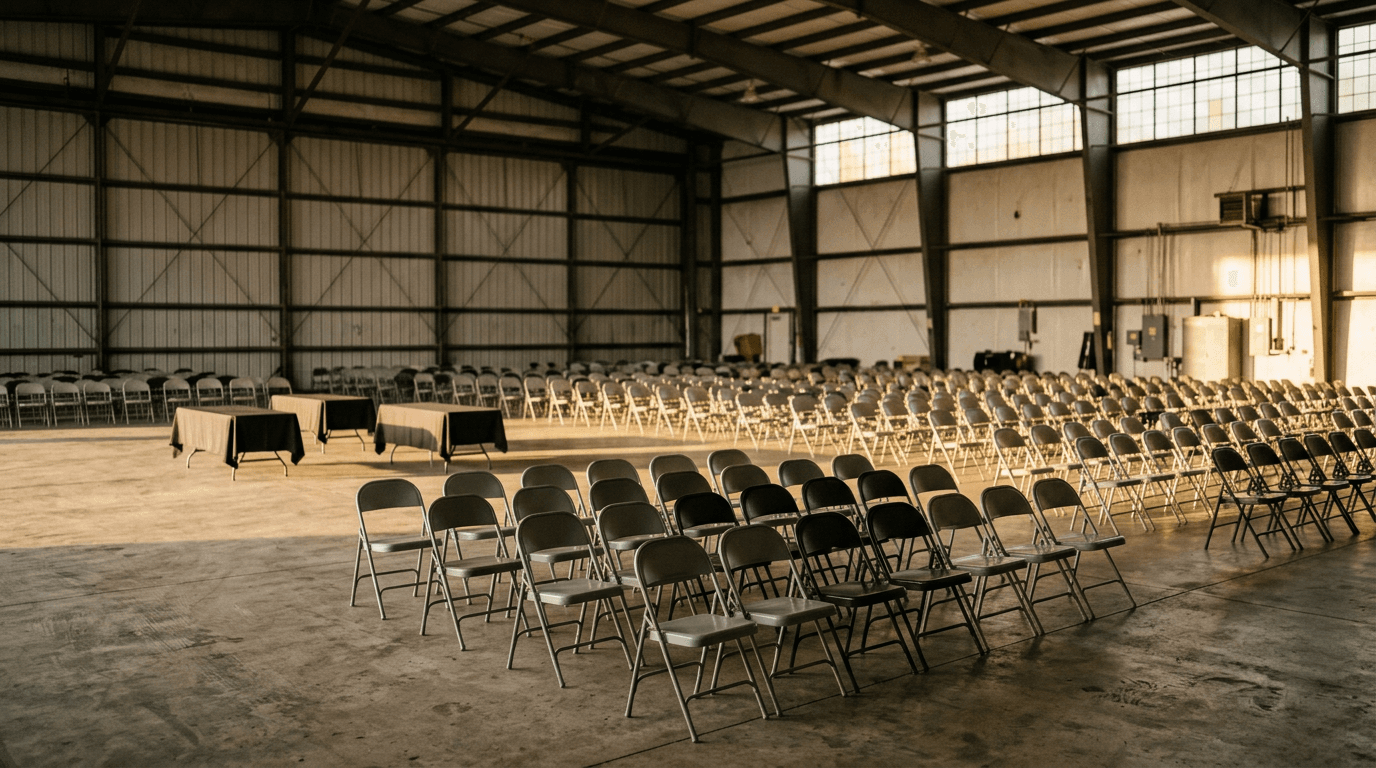
Free Candidate Forum Wednesday: Politics in the Park Moves Indoors to Sun 'n Fun's Skylight Hangar
The Lakeland Chamber's election-year tradition returns Aug. 12 with candidates from 14 races, a Supervisor of Elections straw poll and no admission charge, six days before Polk County's Aug. 18 primary.
Read the story ↗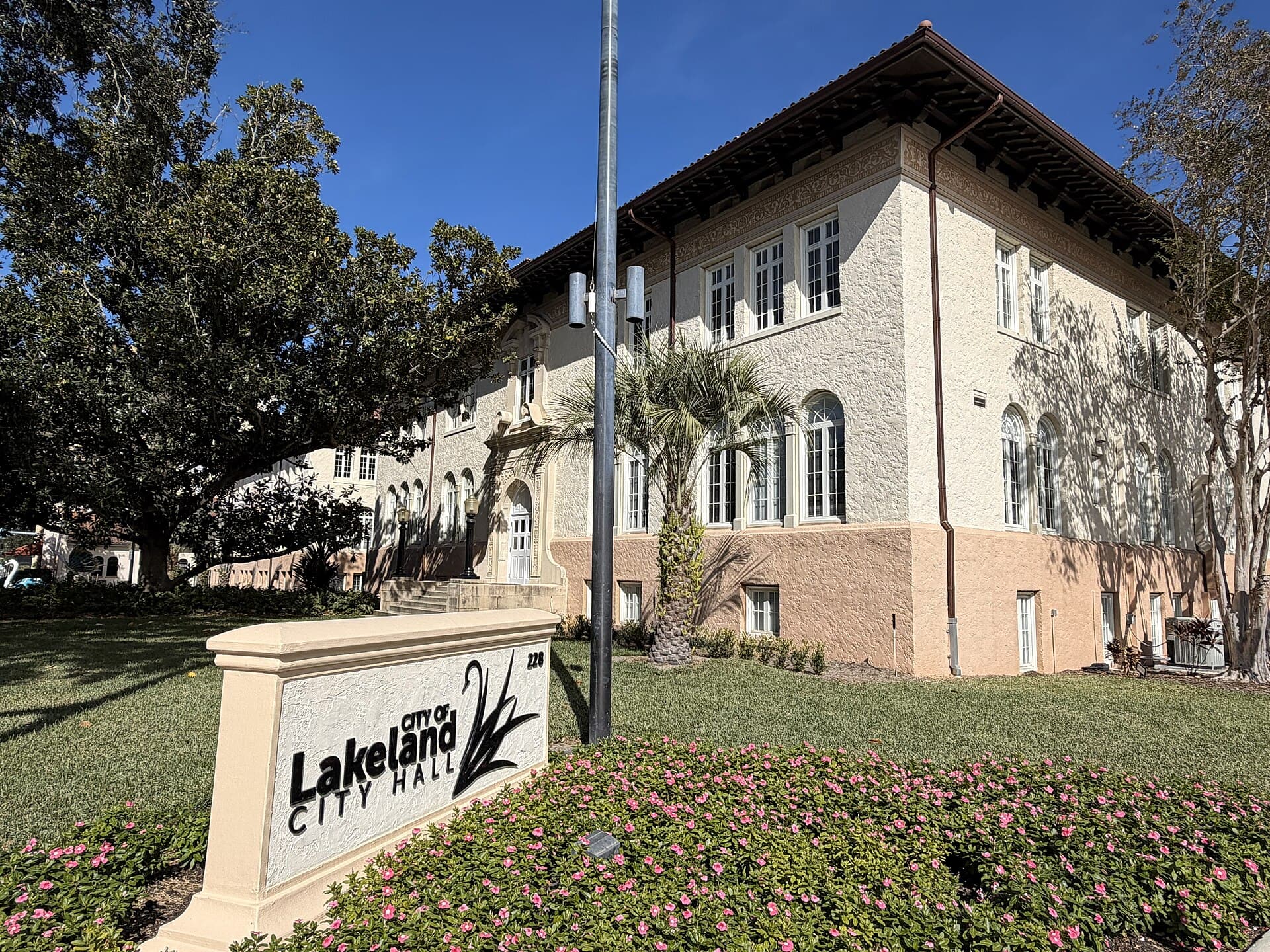


Comments
What does this mean for your neighborhood? Share your experience or ask a question.
Your draft stays here while you sign in. Be respectful and keep it local.
No comments yet. Be the first to share your thoughts!