

Lakeland Electric Bills Rise Oct. 1 — the Start of Four Straight Years of Increases
City commissioners approved a base-rate increase for Lakeland Electric that begins Oct. 1 and repeats annually through 2030, adding about $2.83 a month for the average home in year one.
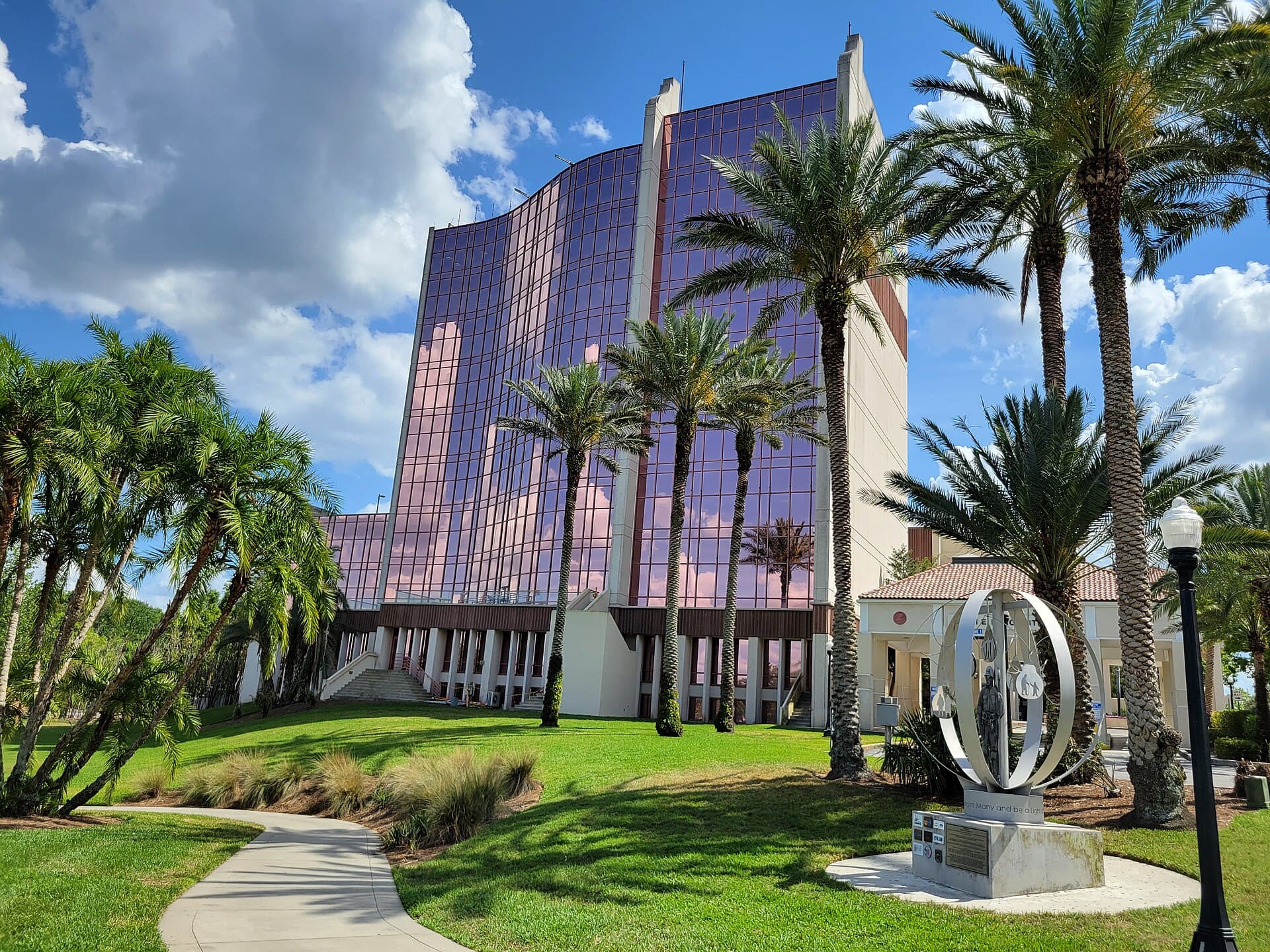
Lakeland Electric customers will pay more starting Oct. 1, the first of four straight annual base-rate increases that city commissioners unanimously approved on July 20. Because nearly every household and small business in the city buys power from the municipally owned utility, the decision touches almost every Lakeland budget — and it won't be a one-time bump. The increases are scheduled to repeat each year through 2030.
For the average residential customer, the first year adds about $2.83 a month to the total bill before taxes, according to the utility and local news reports. Residential base rates climb roughly 3.7% a year, or about 15.53% over the full four years.
What's actually changing
Your Lakeland Electric bill has three parts: the base rate, the fuel charge, and taxes and surcharges. Only the base rate is going up. Fuel charges, taxes and other fees are not changing under this decision.
The base rate is the part that pays for the physical system and the people who run it — poles, wires, equipment, repairs and employees. Officials said that piece of the bill has not kept up with rising costs for materials, equipment and staffing.
Only the base rate is rising. The fuel charge and the taxes-and-surcharges portion of your bill stay the same under this vote — so the total increase you see will be smaller than the base-rate percentage alone.
How much, and who pays it
The size of the increase depends on how much power you use and what kind of customer you are. To soften the blow for lower-use and fixed-income households, the utility capped the increase on the first 1,000 kilowatt-hours used each month at about 2% a year.
Commercial customers face a wider range of increases, according to local media outlets:
| Customer group | Increase over four years |
|---|---|
| Residential | About 15.5% |
| Large business | About 10% |
| Small business | Nearly 20% |
| Medium-sized business | 22.3% |
In the first year, a small commercial customer can expect roughly $6.70 more a month, the utility said.
Why commissioners approved it
The increase grew out of a formal Cost of Service Study, which examined what it costs to run the utility reliably and whether each group of customers is paying its fair share. Findings were presented and discussed at multiple public meetings before the vote.
Assistant General Manager Willem Strauss, who oversees fiscal operations, said when the proposal was released in June that the timing is never ideal but the reasoning is straightforward: costs have risen and the base rate has fallen behind, and the adjustment is meant to close that gap in a measured way tied to the study's findings.
The proposal moved through the City of Lakeland Utility Committee — which includes the mayor, city commissioners and appointed customer advisors representing rate classes both inside city limits and across the broader Lakeland Electric service area — before reaching the full commission. It cleared a first reading on July 6 and a final vote on July 20.
What to expect on your bill
The first increase shows up on bills after Oct. 1. Because the plan is phased, customers should expect a similar base-rate adjustment each year through 2030 rather than a single jump. Households that use less than 1,000 kilowatt-hours a month will see the smallest changes, thanks to the 2% cap on that first block of usage.
Customers with questions about their specific rate class can reach Lakeland Electric customer service directly. More detail on the base-rate change is posted on the utility's official site at lakelandelectric.com.
For more local coverage, visit Lakeland Community Website and share your take with neighbors in our Community Forum. Follow us on Facebook, Instagram, and X for daily updates. You can also read more government & politics and business stories that affect your household budget.
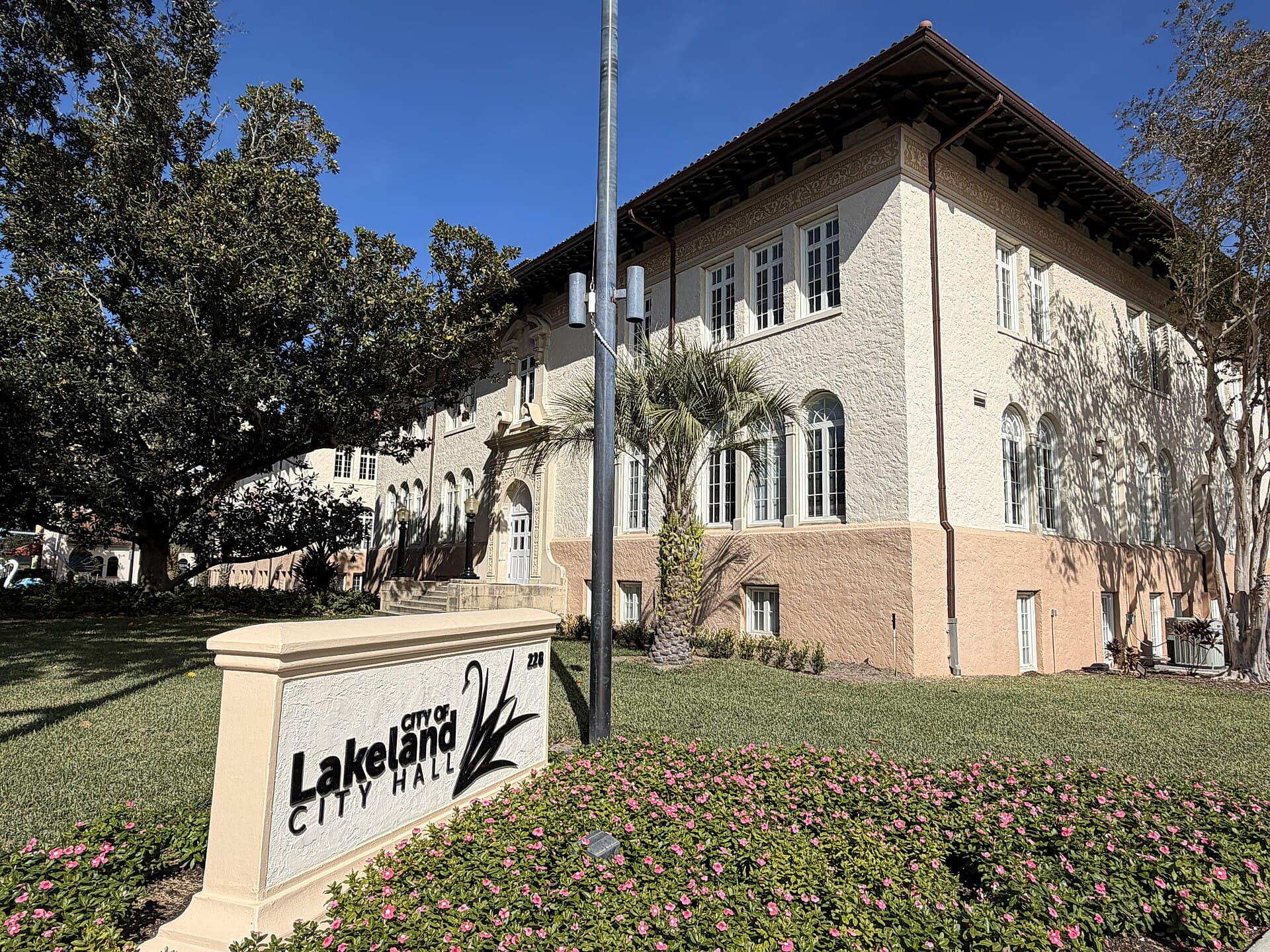
Header photo: Kiran891 / Wikimedia Commons (CC BY-SA 4.0)
Continue this story for free.
Stay informed about Lakeland. Enter your email to access the full story and receive local news and community updates.
Free to read · No password to remember
New here? We’ll email you a sign-in link and code. Already a reader? Use your usual email.
Read next
Your August 18 Ballot Is Locked In: A Lakeland Guide to the Polk Races That Matter — And a July 20 Deadline
Polk County's ballot is set for the Aug. 18 primary, with the County Commission and three School Board seats on the line. Here's what Lakeland voters need to know — and why the deadline to register or switch parties is July 20.
Read the story ↗
Comments
What does this mean for your neighborhood? Share your experience or ask a question.
Your draft stays here while you sign in. Be respectful and keep it local.
No comments yet. Be the first to share your thoughts!